
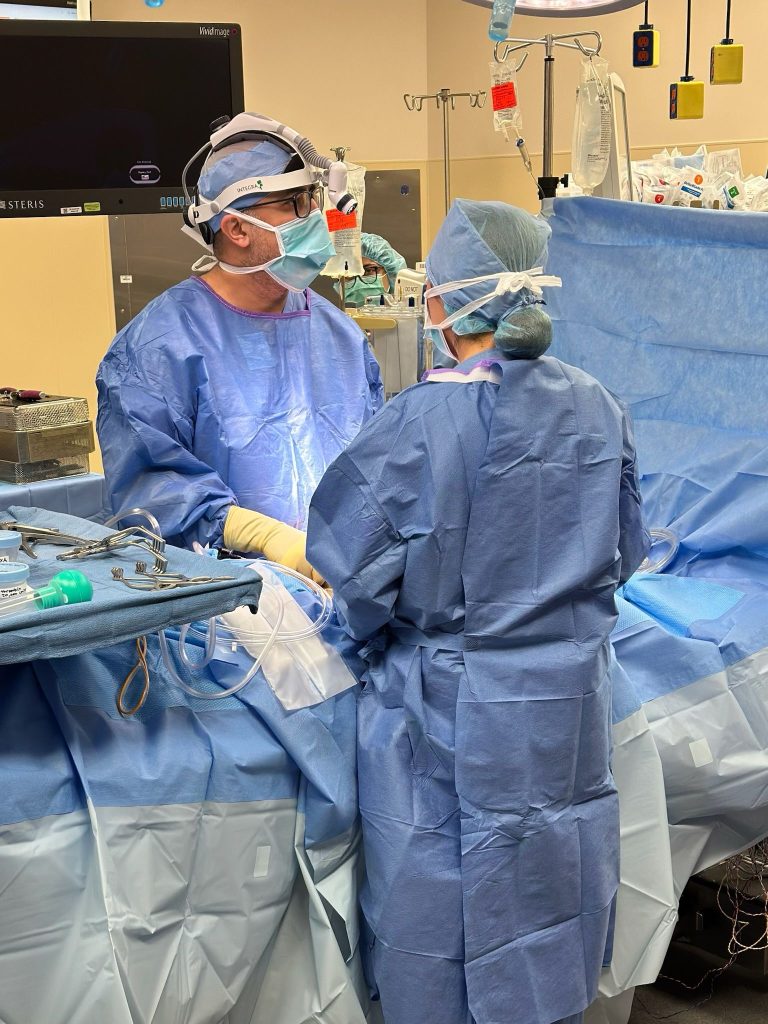
Back and neck pain affect millions of Americans every year. While many spinal conditions improve with conservative care such as physical therapy, medications, or lifestyle changes, some cases require surgical treatment to restore mobility, relieve chronic pain, and improve quality of life.
If you are searching for Spine Surgery Miami, it is important to understand when surgery becomes necessary, the available treatment options, and how choosing an experienced spine specialist can significantly impact your recovery.
This comprehensive guide explains everything you need to know about Spine Surgery Miami Florida, including common spinal conditions, modern minimally invasive procedures, recovery expectations, and frequently asked questions.
When Is Spine Surgery Necessary?
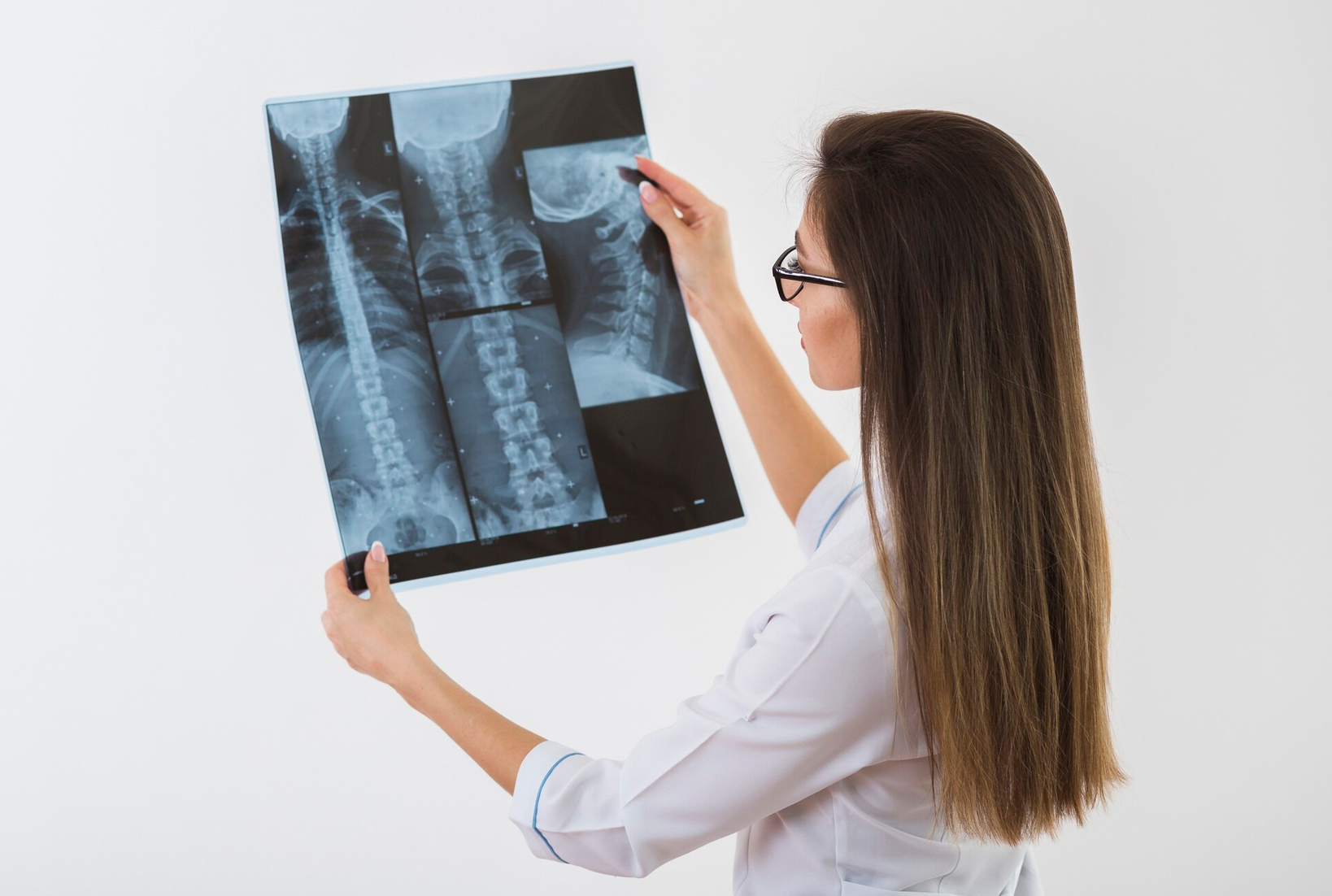
Most patients experiencing back or neck pain do not require surgery. In many situations, symptoms improve through conservative treatment, including:
- Physical therapy
- Anti-inflammatory medications
- Epidural steroid injections
- Activity modification
- Chiropractic care (when appropriate)
- Weight management
- Exercise and stretching programs
However, surgery may become the best option when:
- Pain lasts longer than several months despite treatment
- Numbness or weakness continues to worsen
- Walking becomes difficult
- Loss of bladder or bowel control occurs
- Spinal instability develops
- Imaging confirms significant nerve compression
- Daily activities are severely limited
An experienced spine specialist evaluates symptoms, physical examination findings, and imaging studies before recommending surgery.
Common Conditions That May Require Spine Surgery
Patients seeking Spine Surgery Miami Florida commonly suffer from one or more of the following spinal disorders.
Herniated Disc
A herniated disc occurs when the soft center of a spinal disc pushes through its outer layer and compresses nearby nerves.
Common symptoms include:
- Sciatica
- Leg pain
- Arm pain
- Tingling
- Numbness
- Muscle weakness
If conservative treatment fails after several weeks or months, surgery may relieve pressure on the affected nerve.
Spinal Stenosis
Spinal stenosis develops when the spinal canal narrows, reducing space for the spinal cord or nerve roots.
Symptoms often include:
- Lower back pain
- Leg pain while walking
- Balance problems
- Numbness
- Difficulty standing for long periods
Surgical decompression can restore space around compressed nerves.
Degenerative Disc Disease
As discs naturally age, they lose hydration and flexibility.
Some individuals experience:
- Chronic lower back pain
- Neck pain
- Reduced flexibility
- Pain during sitting or standing
When severe degeneration affects quality of life, surgery may become an effective solution.
Spondylolisthesis
This condition occurs when one vertebra slips forward over another.
Symptoms may include:
- Lower back pain
- Leg weakness
- Nerve compression
- Difficulty walking
Surgical stabilization may prevent further slippage while relieving nerve pressure.
Scoliosis
Adult scoliosis can develop due to aging, degeneration, or untreated childhood spinal curvature.
Patients often experience:
- Uneven posture
- Chronic back pain
- Difficulty standing upright
- Nerve symptoms
Modern surgical techniques can correct spinal alignment while improving function.
Types of Spine Surgery
Today’s spine procedures are significantly more advanced than they were even a decade ago. Many surgeries involve smaller incisions, reduced blood loss, and quicker recovery.
Microdiscectomy
A microdiscectomy removes the portion of a herniated disc pressing on a nerve.
Benefits include:
- Small incision
- Less muscle damage
- Faster recovery
- Reduced leg pain
Laminectomy
A laminectomy removes a portion of the vertebra to create additional space around compressed nerves.
It is commonly recommended for spinal stenosis.
Spinal Fusion
Spinal fusion permanently joins two or more vertebrae together to stabilize the spine.
It is often performed for:
- Instability
- Severe arthritis
- Degenerative disc disease
- Spondylolisthesis
Artificial Disc Replacement
Rather than fusing the spine, some patients qualify for artificial disc replacement.
Benefits may include:
- Better motion preservation
- Reduced stress on neighboring discs
- Faster rehabilitation
Not every patient is a candidate, making specialist evaluation essential.
Minimally Invasive Spine Surgery
Many patients searching for Spine Surgery Miami Florida are specifically interested in minimally invasive procedures.
Advantages often include:
- Smaller incisions
- Less tissue damage
- Reduced blood loss
- Lower infection risk
- Shorter hospital stay
- Faster return to normal activities
- Less postoperative discomfort
These procedures continue to evolve with advanced imaging and surgical technology.
Benefits of Choosing an Experienced Spine Surgeon
Spine surgery requires highly specialized training and experience.
Choosing an experienced surgeon offers several advantages:
- Accurate diagnosis
- Personalized treatment planning
- Modern surgical techniques
- Comprehensive pre-operative evaluation
- Better patient education
- Coordinated rehabilitation
- Long-term spine care
Patients should never choose surgery based solely on convenience or advertising. Experience, credentials, patient communication, and individualized care matter.
Preparing for Spine Surgery
Preparation plays an important role in successful outcomes.
Your healthcare provider may recommend:
- Updated MRI or CT imaging
- Blood work
- Medical clearance
- Smoking cessation
- Weight optimization
- Medication review
- Physical conditioning before surgery
Following these recommendations can reduce complications and improve healing.
What Happens During Recovery?
Recovery varies depending on the procedure performed.
Generally, patients can expect:
First Few Days
- Pain management
- Walking assistance
- Early mobility
- Hospital discharge instructions
First Few Weeks
- Light walking
- Activity restrictions
- Incision care
- Follow-up appointments
Physical Therapy
Many patients benefit from rehabilitation focused on:
- Strengthening core muscles
- Improving flexibility
- Restoring balance
- Safe movement patterns
Recovery timelines differ depending on the patient’s age, health, diagnosis, and type of surgery.
Lifestyle Changes That Support Long-Term Spine Health
Successful surgery is only one part of maintaining spinal health.
Patients are encouraged to:
- Maintain a healthy weight
- Exercise regularly
- Strengthen core muscles
- Improve posture
- Lift correctly
- Avoid smoking
- Stay active
- Follow physician recommendations
These habits may reduce the risk of future spinal problems.
Why Local Patients Choose Spine Surgery in Miami
Residents throughout South Florida often prefer receiving care close to home.
Choosing a local spine specialist offers several benefits:
- Easier follow-up appointments
- Better communication
- Familiar healthcare network
- Convenient rehabilitation access
- Personalized treatment plans
- Ongoing long-term care
For individuals searching online for Spine Surgery Miami, finding an experienced local provider ensures continuity of care before, during, and after treatment.
Questions to Ask Before Spine Surgery
Before scheduling surgery, consider asking:
- Is surgery truly necessary?
- What alternatives are available?
- Am I a candidate for minimally invasive surgery?
- What risks should I understand?
- How many similar procedures have you performed?
- What is the expected recovery timeline?
- When can I return to work?
- Will I require physical therapy?
- What are the expected long-term results?
Clear communication helps patients make informed healthcare decisions.
The Importance of Evidence-Based Spine Care
Modern spine treatment focuses on evidence-based medicine, combining clinical expertise with the latest medical research. Organizations such as the National Institute of Neurological Disorders and Stroke (NINDS) provide educational resources on spinal disorders, helping patients better understand symptoms, diagnosis, and available treatment options.
Working with a specialist who follows current clinical guidelines helps ensure that treatment recommendations are tailored to each patient’s unique condition rather than applying a one-size-fits-all approach.
Frequently Asked Questions
How do I know if I need spine surgery?
If pain persists despite conservative treatment, imaging shows nerve compression, or neurological symptoms continue worsening, your physician may recommend a surgical consultation.
Is minimally invasive spine surgery better?
For many patients, minimally invasive techniques offer smaller incisions, less tissue disruption, and faster recovery. However, the appropriate procedure depends on your specific spinal condition.
How long does spine surgery recovery take?
Recovery varies by procedure. Some patients resume light activities within a few weeks, while spinal fusion recovery may take several months.
Is spine surgery painful?
Modern anesthesia, improved surgical techniques, and advanced pain management have significantly improved patient comfort during recovery.
Will I need physical therapy after surgery?
Many patients benefit from physical therapy to rebuild strength, improve flexibility, and safely return to everyday activities.
Can surgery permanently eliminate back pain?
The goal of surgery is to treat the underlying spinal problem causing symptoms. While many patients experience significant improvement, outcomes vary depending on diagnosis, overall health, and adherence to rehabilitation.
What is the success rate of spine surgery?
Success rates depend on the condition being treated, the surgical procedure, and patient factors. An experienced spine specialist can explain realistic expectations based on your diagnosis.
Should I seek a second opinion before surgery?
Yes. Obtaining a second opinion is often beneficial, especially for complex spinal conditions or major surgical procedures.
Take the Next Step Toward Better Spine Health
Living with chronic back or neck pain can affect every aspect of your daily life. The good news is that advances in modern spine care offer more treatment options than ever before. Whether your condition requires conservative care or surgery, receiving an accurate diagnosis and personalized treatment plan is the first step toward lasting relief.
Schedule Your Consultation Today
At Elite Health and Wellness, we believe that surgery is not always the first answer. Whenever possible, conservative treatments are recommended before considering surgical options. This may include non-surgical pain management, physical therapy guidance, lifestyle recommendations, and other spine wellness strategies.
If surgery becomes necessary, our experienced team provides comprehensive evaluations and individualized treatment plans designed to help you return to an active, healthy lifestyle.
Call Elite Health and Wellness today at (954) 223-5483 to schedule your spine consultation and learn about the treatment options that are right for you.