
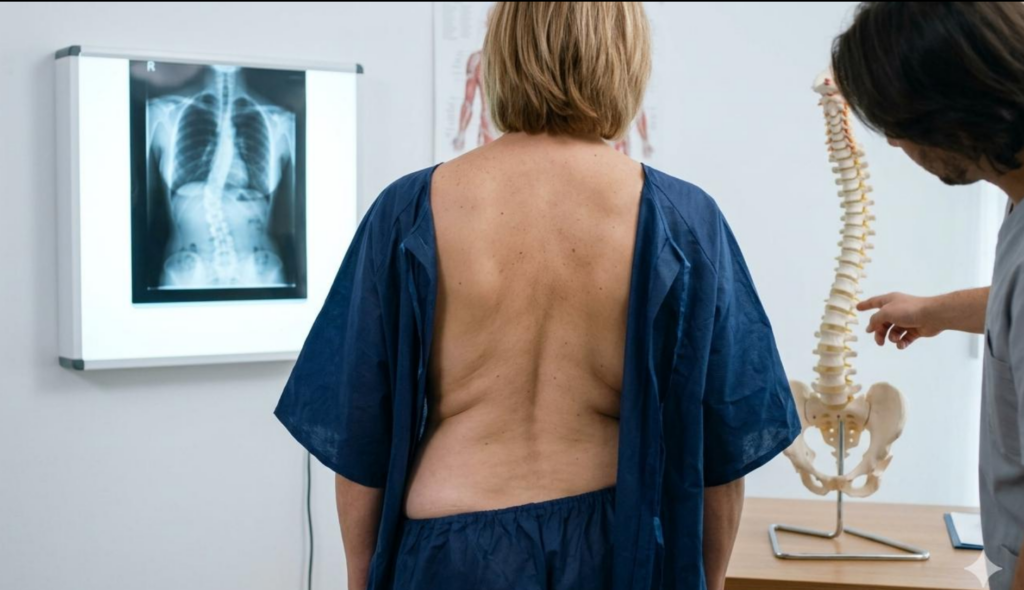
Adult scoliosis can cause much more than a visible curve in the spine. For some adults, it may contribute to persistent back pain, stiffness, changes in posture, difficulty standing or walking, and nerve-related symptoms that interfere with everyday activities. While some cases can be managed conservatively, others may require evaluation by a spine specialist to determine the underlying cause and the most appropriate treatment.
If you are searching for adult scoliosis treatment in Florida or an adult scoliosis specialist near me, understanding your condition is an important first step. Modern scoliosis care focuses not only on the degree of spinal curvature but also on your symptoms, mobility, neurological health, overall spinal balance, and quality of life.
At Elite Spine Health and Wellness, patients can receive a comprehensive evaluation to better understand their spinal condition and discuss treatment options tailored to their individual needs.
Quick Answer: How Is Adult Scoliosis Treated?
Adult scoliosis treatment depends on the severity of the spinal curve, symptoms, progression, nerve involvement, overall health, and the effect the condition has on daily life.
Treatment may include observation, physical therapy, activity modification, medications, injections, or other nonsurgical approaches. For patients with severe or progressive scoliosis, significant spinal imbalance, neurological symptoms, or pain that has not responded to conservative care, surgical treatment may be considered.
The goal is not simply to treat an X-ray. Treatment should focus on reducing symptoms, maintaining or improving function, protecting neurological health, and helping the patient remain active.
What Is Adult Scoliosis?
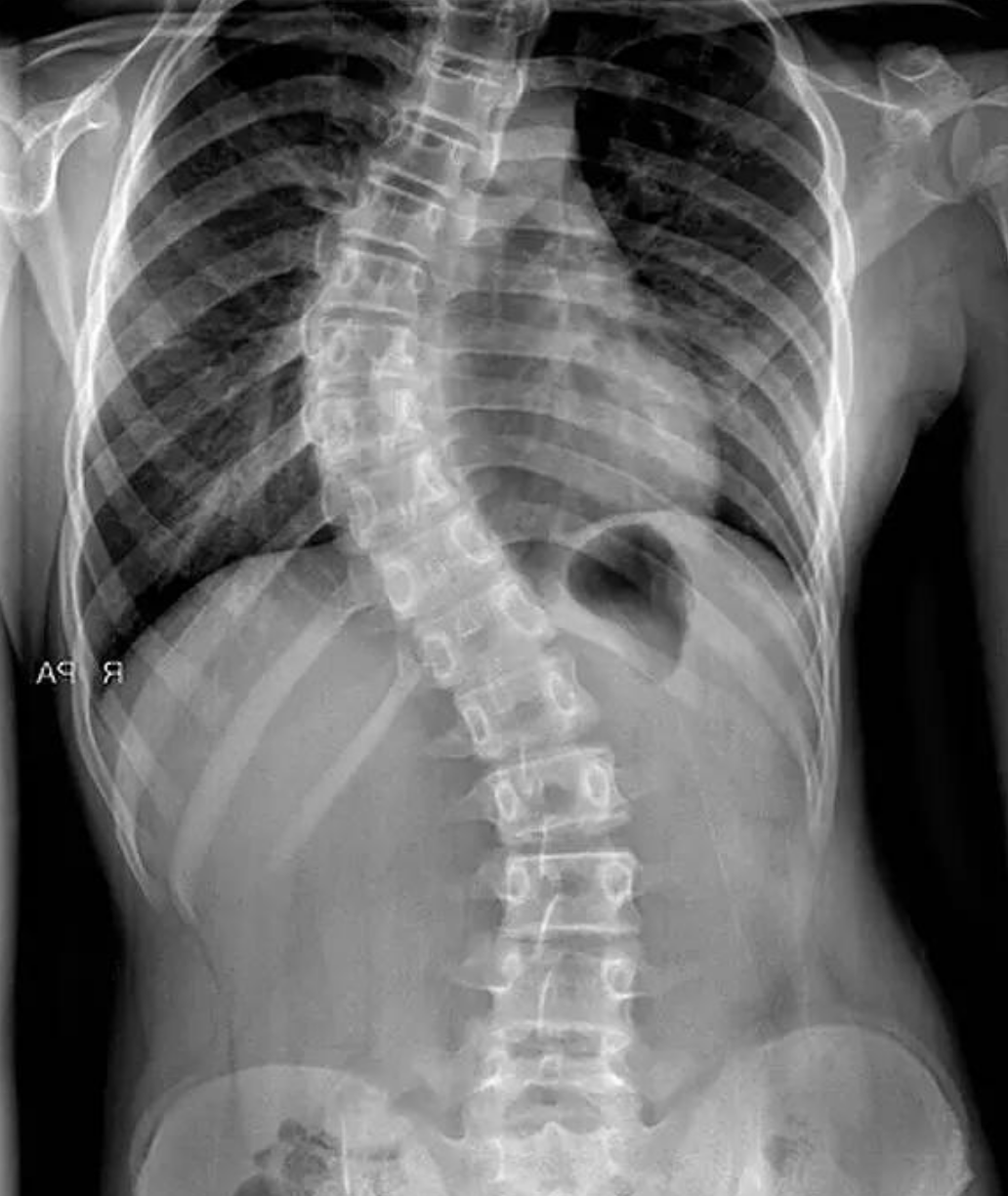
Adult scoliosis is an abnormal sideways curvature of the spine identified in a skeletally mature adult. When viewed from behind, a healthy spine generally appears relatively straight. With scoliosis, the spine curves from side to side and may also rotate.
Adult scoliosis can broadly occur in two ways.
Some people were diagnosed with scoliosis during adolescence and continue to have the condition as adults. This is sometimes called adult idiopathic scoliosis.
Other people develop scoliosis later in life because of age-related degeneration of the spinal discs, joints, and other structures. This is commonly referred to as adult degenerative scoliosis or de novo scoliosis.
Degenerative changes may cause the spine to gradually lose its normal alignment, particularly in the lumbar or lower-back region.
What Causes Adult Scoliosis?
There is no single cause of every case of adult scoliosis. The underlying reason depends on the type of scoliosis and the patient’s medical and spinal history.
Common contributing factors may include:
- Scoliosis that began during adolescence
- Age-related disc degeneration
- Arthritis of the spinal joints
- Degenerative changes affecting spinal alignment
- Osteoporosis or reduced bone quality
- Previous spinal procedures or surgery
- Differences in spinal structure and balance
For many adults, symptoms become noticeable when degenerative changes place additional stress on an existing spinal curve or when changes in alignment begin affecting nerves and surrounding structures.
This is why an accurate diagnosis is essential before choosing an adult scoliosis treatment plan.
What Are the Symptoms of Adult Scoliosis?
Not every adult with scoliosis experiences significant symptoms. A spinal curve may sometimes be discovered during an examination or imaging performed for another reason.
When symptoms do occur, they can vary considerably.
Back Pain
Back pain is one of the most common reasons adults with scoliosis seek medical attention. Pain may be related to muscle fatigue, degenerative discs, arthritic joints, spinal imbalance, or pressure on nearby nerves.
Changes in Posture
Scoliosis can affect overall alignment. A person may notice that one shoulder or hip appears higher than the other or that the torso seems shifted to one side.
Difficulty Standing or Walking
Spinal imbalance and degeneration can make prolonged standing or walking uncomfortable. Some people find that their endurance gradually decreases.
Leg Pain, Numbness, or Tingling
If degenerative changes or spinal narrowing affect the nerves, symptoms may extend into the buttocks or legs. Patients can experience pain, tingling, numbness, or weakness.
Loss of Height or Increasing Imbalance
Age-related spinal changes and osteoporosis may contribute to changes in height, posture, and balance.
If these symptoms are persistent or worsening, an evaluation by an adult scoliosis specialist can help determine whether scoliosis itself or another spinal condition is responsible.
When Should You See an Adult Scoliosis Specialist?
Searching for an “adult scoliosis specialist near me” is often prompted by worsening pain or changes in mobility. However, you do not necessarily have to wait until symptoms become severe.
Consider seeking a specialist evaluation if you experience persistent or increasing back pain, progressive changes in posture, difficulty walking or standing, pain radiating into the legs, numbness, tingling, weakness, or noticeable deterioration in your ability to perform normal activities.
You may also benefit from an evaluation if you were diagnosed with scoliosis earlier in life and are now developing new symptoms.
A specialist can assess whether your curve has progressed and determine whether other conditions, such as spinal stenosis, disc degeneration, or nerve compression, are contributing to your symptoms.
How Is Adult Scoliosis Diagnosed?
An effective adult scoliosis treatment in Florida should begin with a detailed evaluation rather than a one-size-fits-all treatment recommendation.
Medical History
Your physician may ask when symptoms began, whether they have changed over time, what activities make them better or worse, and whether you have previously been diagnosed or treated for scoliosis.
Physical Examination
The examination may assess spinal alignment, posture, balance, walking pattern, range of motion, muscle strength, reflexes, and neurological function.
X-Rays
Standing X-rays can provide important information about the size and location of the spinal curve and the overall alignment of the spine.
MRI or CT Imaging
Additional imaging may be recommended when a physician needs to evaluate spinal discs, nerves, spinal stenosis, bone structures, or other potential causes of symptoms.
The purpose of this evaluation is to understand the entire spinal condition—not simply measure the curve.
Adult Scoliosis Treatment Options in Florida
Treatment should be individualized according to symptoms, spinal alignment, neurological findings, age, activity level, bone health, and other medical factors.
Many adults with scoliosis do not automatically require surgery.
- Observation and Monitoring
If the scoliosis is relatively stable and symptoms are mild, periodic monitoring may be appropriate.
Follow-up examinations and imaging can help determine whether the curve or degenerative changes are progressing.
- Physical Therapy and Exercise
A personalized physical therapy or exercise program may help improve core strength, flexibility, posture, balance, and functional movement.
The purpose of exercise is not necessarily to eliminate an adult structural curve. Instead, therapy may help patients manage symptoms and maintain mobility.
Exercise recommendations should be individualized, particularly when scoliosis occurs alongside other spinal conditions.
- Activity Modification
Certain repetitive movements or activities may aggravate symptoms. A specialist may recommend temporary or long-term modifications while helping patients identify safer ways to remain active.
Maintaining appropriate physical activity is generally an important part of long-term spine health.
- Pain Management
Depending on the patient’s medical history and symptoms, medications or other pain-management strategies may be considered.
Treatment should address the likely source of pain whenever possible rather than focusing solely on temporary symptom relief.
- Spinal Injections
Some patients with scoliosis also have spinal stenosis, inflammation, or nerve compression. In selected cases, injections may be considered to help manage specific symptoms.
The suitability and potential benefit of an injection depend on the underlying condition.
- Surgical Treatment
Surgery may be considered when scoliosis causes severe symptoms, significant or progressive spinal imbalance, neurological problems, or functional limitations that have not responded adequately to nonsurgical treatment.
The decision to undergo scoliosis surgery is highly individualized.
A spine surgeon evaluates the patient’s spinal anatomy, symptoms, overall health, bone quality, neurological status, and treatment history before recommending an operation.
Does Every Adult Scoliosis Patient Need Surgery?
No. Many adults with scoliosis can be treated without surgery.
The presence of a spinal curve alone does not determine whether surgery is necessary. Some people have significant curves but relatively manageable symptoms, while others may experience substantial pain or neurological problems from a smaller curve combined with degeneration or spinal stenosis.
Surgical decisions are therefore based on the complete clinical picture.
This is one reason why seeing a physician experienced in evaluating adult spinal conditions is important.
Can Adult Scoliosis Get Worse With Age?
Adult scoliosis can progress in some people, but progression varies from patient to patient.
Age-related degeneration of spinal discs and joints can contribute to changes in spinal alignment. Reduced bone density and other spinal conditions can also influence how symptoms develop.
Regular medical evaluation can be particularly valuable when patients notice worsening pain, posture, balance, walking ability, or neurological symptoms.
Why Local Florida Patients Should Seek Specialized Scoliosis Care
Adult scoliosis can be a complex condition because patients frequently have more than one spinal problem.
For example, scoliosis may occur alongside degenerative disc disease, spinal stenosis, arthritis, osteoporosis, or nerve compression. Treating only one component without understanding the complete condition may not adequately address the patient’s symptoms.
For people seeking adult scoliosis treatment in Florida, specialized evaluation provides an opportunity to identify the primary source of symptoms and develop a treatment strategy around the individual patient.
Rather than focusing only on the appearance of the spinal curve, comprehensive care considers pain, neurological health, mobility, function, alignment, and long-term quality of life.
What to Ask During Your Adult Scoliosis Consultation
Being prepared for your appointment can help you better understand your diagnosis and available options.
Useful questions include:
- What type of adult scoliosis do I have?
- Has my spinal curve progressed?
- What is causing my pain?
- Are my nerves being compressed?
- Do I also have spinal stenosis or disc degeneration?
- Can my condition be managed without surgery?
- What exercises or activities are appropriate for me?
- What symptoms should I monitor?
- When would surgery become an appropriate consideration?
- What are the goals and expected outcomes of the recommended treatment?
A good consultation should help you understand not only what treatment is being recommended but also why it is appropriate for your specific condition.
Frequently Asked Questions About Adult Scoliosis
What is the best treatment for adult scoliosis?
There is no single treatment that is best for every patient. Treatment depends on the severity of symptoms, spinal alignment, curve progression, neurological involvement, overall health, and functional limitations. Many patients begin with nonsurgical care, while surgery may be considered for selected cases.
Can adult scoliosis be treated without surgery?
Yes. Many adults can manage scoliosis symptoms through nonsurgical approaches such as physical therapy, appropriate exercise, activity modification, pain management, and other treatments recommended according to their diagnosis.
How do I find an adult scoliosis specialist near me?
Look for a spine specialist experienced in evaluating adult spinal deformity and related degenerative conditions. Florida patients should consider a practice that offers comprehensive diagnostic evaluation and both conservative and surgical treatment pathways when appropriate.
Is walking good for adult scoliosis?
Walking can be a useful low-impact activity for many people and may help maintain mobility and general conditioning. However, exercise recommendations should be personalized if walking causes significant pain, weakness, numbness, or other symptoms.
When does adult scoliosis require surgery?
Surgery may be considered for patients with severe or persistent symptoms, progressive deformity or imbalance, neurological problems, or major functional limitations when appropriate nonsurgical treatments have not provided sufficient relief. A specialist must evaluate each case individually.
Can scoliosis cause leg pain?
Yes. Adult scoliosis can occur with degenerative changes that narrow the spaces around spinal nerves. When nerves are irritated or compressed, patients may experience leg pain, numbness, tingling, or weakness.
Take the Next Step Toward Understanding Your Spine
Living with adult scoliosis does not mean every patient will need the same treatment. The first priority is identifying the type of scoliosis you have, determining what is causing your symptoms, and understanding which treatment options are appropriate for your condition.
If you are looking for adult scoliosis treatment in Florida or searching for an adult scoliosis specialist near me, a comprehensive spine evaluation can help you better understand your options.
Elite Spine Health and Wellness
Get a personalized evaluation of your spinal condition and discuss appropriate nonsurgical or surgical treatment options based on your individual needs.
Book Appointment with Elite Spine Health and Wellness today.