
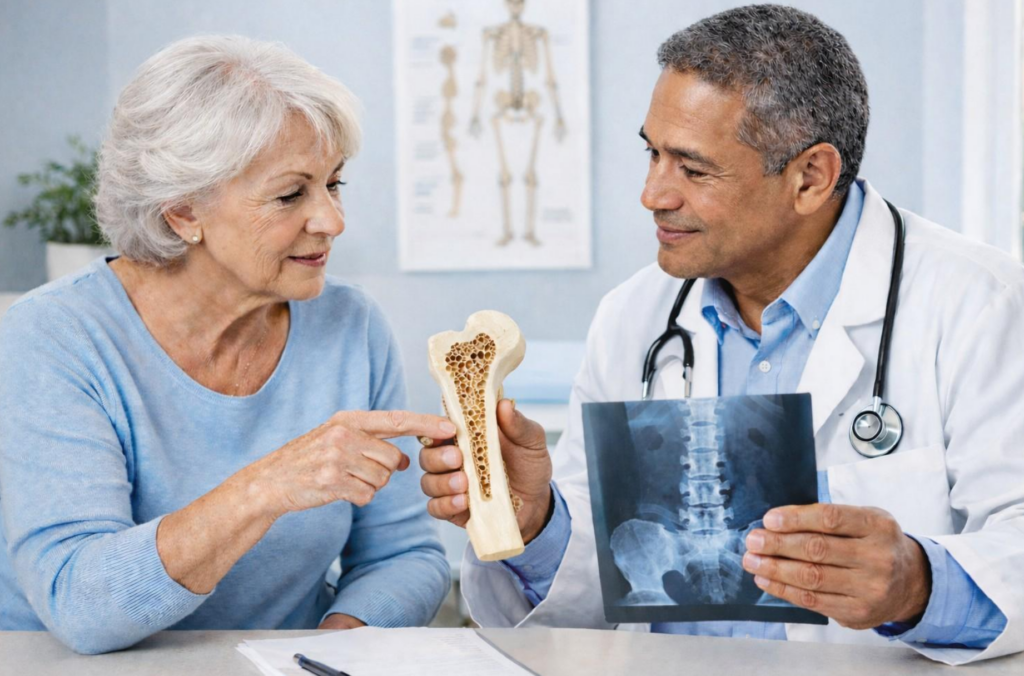
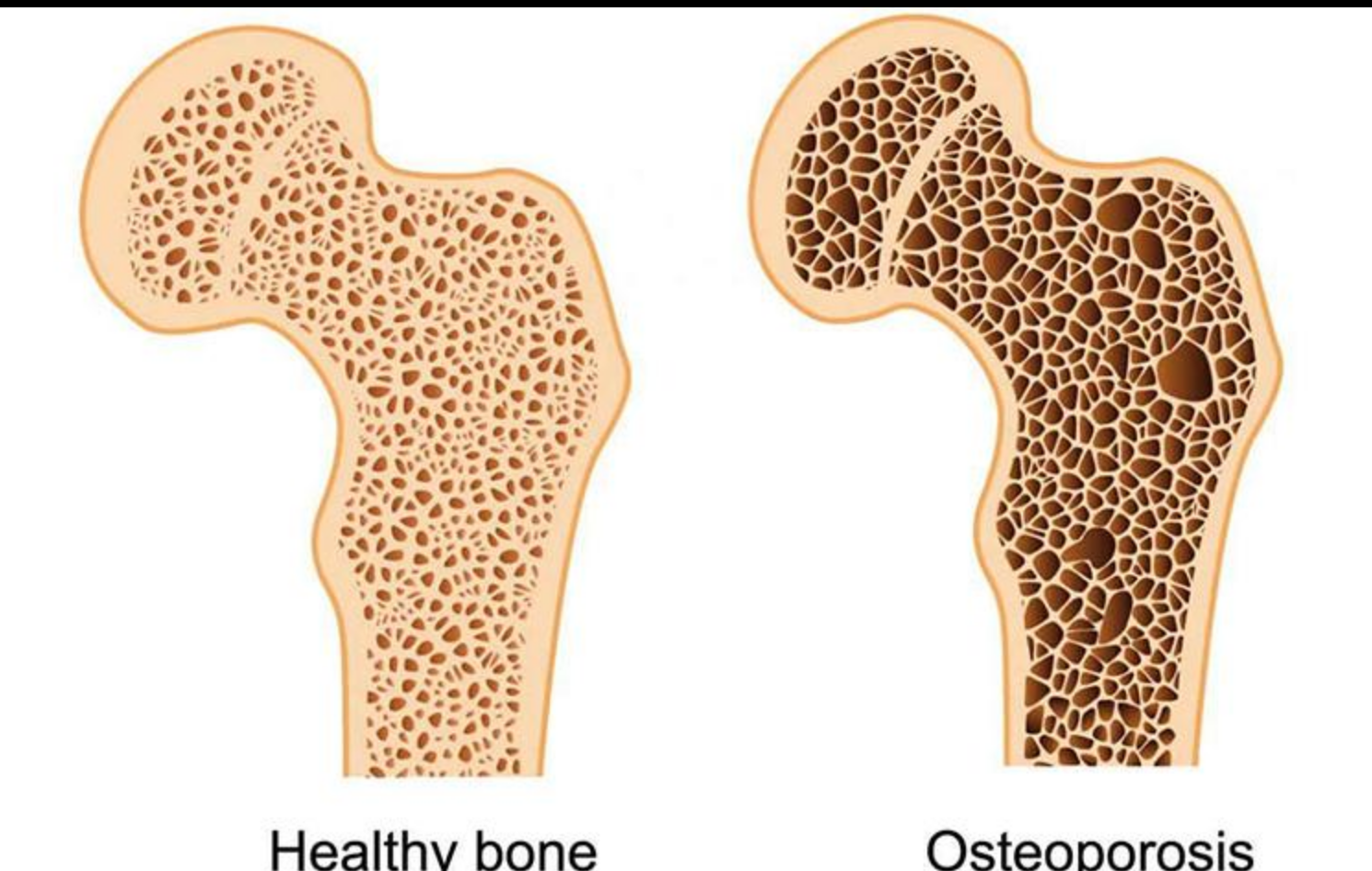
Osteoporosis is a condition in which bones become less dense and more fragile, increasing the risk of fractures. Because bone loss often develops without obvious symptoms, many people do not realize they have osteoporosis until they experience a fracture or undergo a bone density test.
The good news is that osteoporosis can be managed. While there is currently no cure that completely restores bone to its original state, treatment can slow bone loss, help maintain or increase bone density, and significantly reduce fracture risk.
Modern osteoporosis treatment is rarely based on a single solution. Instead, healthcare providers may combine medication, nutrition, exercise, fall prevention, and ongoing monitoring according to a patient’s age, bone density, fracture history, medical conditions, and overall risk.
Quick Answer: What Is the Most Effective Treatment for Osteoporosis?
There is no single osteoporosis treatment that is best for everyone.
For people at increased fracture risk, commonly prescribed treatments include bisphosphonates, such as alendronate, risedronate, and zoledronic acid. Other options include denosumab, while people at very high fracture risk may be considered for bone-building medications such as teriparatide, abaloparatide, or romosozumab.
Treatment generally works best as part of a comprehensive bone-health strategy that also addresses adequate calcium and vitamin D, appropriate physical activity, fall prevention, smoking cessation, and other individual risk factors.
What Is Osteoporosis?
Bone is living tissue that is continually being broken down and rebuilt. During younger adulthood, the body generally produces enough new bone to replace bone that is lost. With aging, however, bone breakdown can begin to outpace bone formation.
Osteoporosis occurs when this imbalance causes bones to become sufficiently weak that fractures can happen more easily.
The hips, wrists, and spine are among the areas commonly affected. Spinal osteoporosis is particularly important because weakened vertebrae can develop compression fractures. These fractures may contribute to back pain, loss of height, changes in posture, and limitations in everyday activities.
How Do Doctors Decide Whether Osteoporosis Needs Treatment?
Treatment should be individualized rather than based on age alone.
A healthcare provider may consider:
- Bone mineral density
- Results from a DXA or DEXA scan
- Previous fractures
- Age and sex
- Family history
- Medications that contribute to bone loss
- Other medical conditions
- Fall risk
- Lifestyle factors
- Estimated future fracture risk
A DXA scan is commonly used to measure bone mineral density. Doctors may also use the FRAX assessment tool, which estimates a person’s 10-year probability of certain osteoporotic fractures.
Someone with relatively low fracture risk may initially focus on lifestyle changes and monitoring. People with osteoporosis and greater fracture risk are more likely to require medication in addition to lifestyle measures.
- Bisphosphonates
Bisphosphonates are among the most widely prescribed medications for people at increased risk of osteoporosis-related fractures.
Examples include:
- Alendronate
- Risedronate
- Ibandronate
- Zoledronic acid
These medications are antiresorptive drugs, meaning they slow the process through which bone is broken down.
Depending on the medication, treatment may be available as a tablet or intravenous infusion. Dosing schedules also vary considerably, ranging from regular oral doses to less frequent IV treatment.
Bisphosphonates are not necessarily appropriate for every patient. Medical history, kidney function, gastrointestinal concerns, fracture risk, and other factors may affect the decision.
- Denosumab
Denosumab is another antiresorptive treatment. It works differently from bisphosphonates but also helps reduce bone breakdown.
It is administered by injection, generally every six months.
An important consideration with denosumab is treatment continuity. Patients should not simply discontinue osteoporosis medication on their own. Changes in therapy need to be carefully planned with a healthcare professional because another treatment may be required when certain medications are stopped.
- Bone-Building Osteoporosis Medications
Some osteoporosis treatments do more than slow bone loss—they stimulate new bone formation.
These are often referred to as anabolic or bone-building therapies.
Current options include:
Teriparatide
Teriparatide acts similarly to parathyroid hormone and stimulates new bone growth. It may be considered for patients with severe osteoporosis or particularly high fracture risk.
Abaloparatide
Abaloparatide is another bone-building medication. Like teriparatide, it can be considered in selected patients who have a high risk of fractures.
Romosozumab
Romosozumab has effects on both bone formation and bone breakdown. Treatment is administered monthly and is limited to a defined treatment period.
Bone-building medications are generally used for a limited duration. After completing them, another osteoporosis medication is commonly needed to help preserve the bone that has been gained.
The decision to use these treatments requires an individualized assessment of benefits, risks, medical history, and previous osteoporosis therapy.
- Calcium and Vitamin D
Calcium and vitamin D are fundamental to bone health, but they should not be viewed as substitutes for prescription treatment when medication is medically indicated.
Calcium provides an essential building block for bones, while vitamin D helps the body absorb calcium.
The Bone Health & Osteoporosis Foundation recommends obtaining calcium primarily from food and using supplements when necessary to fill nutritional gaps. Its general recommendations include 1,200 mg of calcium daily for women age 51 and older and men age 71 and older. For adults age 50 and older, it recommends 800–1,000 IU of vitamin D per day, although individual needs can differ.
Good dietary sources of calcium may include dairy products, certain leafy green vegetables, calcium-fortified foods, and other calcium-rich foods.
Before starting supplements, especially at higher doses, patients should discuss their individual requirements with a healthcare professional.
- Exercise for Osteoporosis
Exercise plays an important role in maintaining bone and muscle health.
Two particularly important categories are:
Weight-bearing exercise: Activities performed while supporting your body weight against gravity, such as walking and stair climbing.
Muscle-strengthening exercise: Activities that challenge muscles through resistance, such as appropriate weight training or resistance-band exercises.
Exercise can also improve strength, posture, coordination, and balance—all of which can help reduce fall risk.
However, exercise needs to match the person’s fracture risk. Someone with osteoporosis or a history of vertebral compression fractures may need to avoid certain high-impact activities or movements that place excessive stress on the spine.
A physician or physical therapist can help determine which exercises are appropriate.
- Fall Prevention Is Part of Osteoporosis Treatment
Treating osteoporosis is not only about improving bone density. Preventing falls is equally important because falls can lead to fractures when bones are fragile.
Practical strategies may include improving lighting, removing loose rugs and clutter, installing handrails where appropriate, wearing supportive footwear, reviewing medications that may cause dizziness, addressing vision problems, and performing exercises designed to improve balance.
For older adults in particular, a comprehensive osteoporosis plan should consider both bone strength and fall risk.
- Lifestyle Changes That Support Stronger Bones
Healthy daily habits complement medical osteoporosis treatment.
Patients are generally encouraged to avoid smoking, limit excessive alcohol consumption, maintain adequate nutrition, stay physically active, and consume sufficient protein, calcium, vitamin D, and other nutrients.
Lifestyle changes alone may not be sufficient for someone with established osteoporosis and high fracture risk. Mayo Clinic notes that when fracture risk is elevated or osteoporosis is more advanced, treatment is likely to include medication rather than relying on diet and exercise alone.
Osteoporosis and the Spine
Osteoporosis can have particularly significant consequences for spinal health.
The vertebrae support the body’s weight and protect the spinal cord. When osteoporosis weakens these bones, a vertebra can partially collapse, resulting in a vertebral compression fracture.
Possible symptoms include:
- Sudden or persistent back pain
- Loss of height
- Increasingly stooped posture
- Difficulty standing or walking
- Reduced mobility
- Pain that interferes with daily activities
Some vertebral fractures, however, cause few obvious symptoms and may only be identified during imaging.
For patients with osteoporosis and persistent or sudden back pain, an evaluation can help determine whether a compression fracture or another spinal condition may be responsible.
Can Osteoporosis Be Reversed?
Patients frequently ask whether osteoporosis can be completely reversed.
A better goal is to think in terms of managing the disease, improving bone strength where possible, and reducing future fracture risk.
Certain treatments can increase bone mineral density, and bone-building medications can stimulate new bone formation. However, results vary according to factors such as age, severity of osteoporosis, underlying health conditions, treatment adherence, and fracture history.
Osteoporosis therefore requires ongoing management rather than a short-term treatment approach.
How Is Osteoporosis Treatment Monitored?
Follow-up is an important part of treatment.
A healthcare provider may monitor bone mineral density, medication response, new fractures, changes in height, side effects, calcium and vitamin D status, and other clinical factors.
Bone density testing may be repeated after treatment begins to determine whether bone density is stable or improving. The appropriate testing interval depends on the individual patient and treatment plan.
Patients should also tell their healthcare provider about new back pain, height loss, falls, or suspected fractures.
What Is the Best Osteoporosis Treatment for You?
The most effective treatment depends on your individual fracture risk.
Someone with early bone loss and relatively low fracture risk may require a different strategy than someone who has severe osteoporosis and has already experienced a hip or spinal fracture.
Treatment decisions may also be affected by kidney function, cardiovascular history, gastrointestinal conditions, other medications, age, sex, and previous osteoporosis treatment.
That is why osteoporosis care should be personalized.
Rather than asking only, “What is the strongest osteoporosis medication?”, a more useful question is:
“Which treatment provides the best balance of fracture protection, safety, and long-term bone health for my individual situation?”
When Should You See a Specialist?
Consider discussing bone and spinal health with a healthcare professional if you have been diagnosed with osteoporosis, have experienced an unexplained fracture, have persistent or sudden back pain, notice loss of height, have a history of vertebral compression fractures, or have been told that you are at high risk for future fractures.
Early evaluation can help identify complications and guide an appropriate treatment strategy.
Frequently Asked Questions About Osteoporosis Treatment
What is the first-line treatment for osteoporosis?
Bisphosphonates are among the most commonly prescribed medications for people at increased fracture risk. However, treatment depends on the individual’s bone density, previous fractures, medical history, and overall fracture risk.
What is the newest type of osteoporosis treatment?
Modern treatments include bone-building therapies such as romosozumab. Other anabolic treatments include teriparatide and abaloparatide. These medications are generally considered for selected patients, particularly those at high or very high fracture risk.
Can osteoporosis be treated naturally?
Nutrition, exercise, adequate calcium and vitamin D, avoiding smoking, limiting excessive alcohol, and preventing falls are important parts of osteoporosis management. However, lifestyle measures should not replace medication when a person’s fracture risk indicates that prescription treatment is needed.
Can osteoporosis cause back pain?
Yes. Osteoporosis itself may remain silent, but osteoporosis-related vertebral compression fractures can cause back pain, loss of height, and changes in posture.
Can exercise improve osteoporosis?
Appropriate weight-bearing and muscle-strengthening exercises can support bone health while improving muscle strength and balance. Exercise selection should be adapted to fracture risk, particularly for people with severe osteoporosis or previous fractures.
How long does osteoporosis treatment take?
Osteoporosis is generally managed over the long term. The duration of a particular medication varies considerably. Some bone-building therapies are used for only one or two years, while other treatment strategies may continue longer or change over time.
Should osteoporosis medication ever be stopped?
Patients should not stop or change osteoporosis medication without consulting their healthcare provider. The appropriate duration depends on the medication and individual risk. Some therapies require another medication afterward to maintain their benefits.
What doctor should I see for osteoporosis-related spine problems?
If osteoporosis is associated with significant back pain, vertebral compression fractures, spinal deformity, or other spine-related symptoms, evaluation by a healthcare professional experienced in spinal conditions can help determine the source of symptoms and appropriate treatment options.
Take the Next Step Toward Better Bone and Spine Health
Osteoporosis treatment has advanced considerably. Today’s options range from medications that slow bone loss to therapies that actively stimulate bone formation. Combined with appropriate nutrition, exercise, fall prevention, and regular monitoring, these treatments can play an important role in reducing fracture risk and protecting long-term mobility.
If osteoporosis is affecting your spine or you are concerned about osteoporosis-related back pain or vertebral compression fractures, a personalized evaluation can help you understand your condition and available treatment options.
Schedule a Consultation With Elite Spine Health and Wellness
Elite Spine Health and Wellness provides specialized evaluation and treatment for patients experiencing spine-related conditions, including concerns associated with osteoporosis and vertebral compression fractures.
Call (954) 223-5483 to schedule a consultation and learn more about your treatment options.