
Adult scoliosis is a spinal condition that commonly develops later in life, typically after the age of 50. Unlike adolescent scoliosis, which often has no known cause, adult scoliosis is usually linked to the natural aging process and the gradual degeneration of the spine. As the body ages, structural changes in the spine can lead to curvature, discomfort, and mobility issues.
In this article, we’ll explore how adult scoliosis develops, the role aging plays in spinal degeneration, and what you can do to manage the condition effectively.
What Is Adult Scoliosis?
Adult scoliosis refers to an abnormal sideways curvature of the spine that occurs in individuals who are fully grown. It can either be:
- Progression of adolescent scoliosis that continues into adulthood
- Degenerative (de novo) scoliosis, which develops due to aging-related spinal changes
The second type is more common and is directly associated with wear and tear on the spine over time.
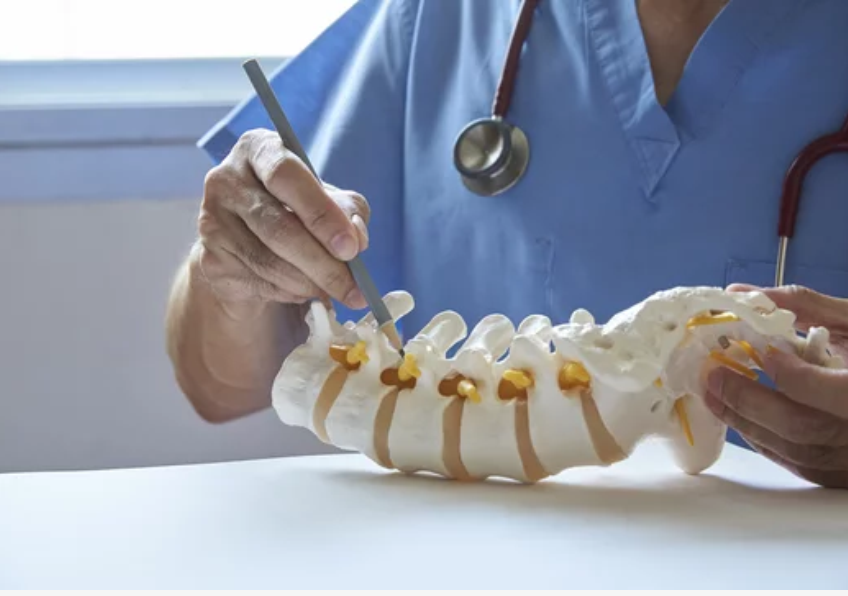
The Aging Spine: What Changes Occur?
As we age, the spine undergoes several natural changes that can contribute to scoliosis:
1. Disc Degeneration
Spinal discs act as cushions between vertebrae. Over time, these discs lose hydration and elasticity, causing them to shrink and weaken. This can lead to uneven pressure distribution, which may result in spinal curvature.
2. Facet Joint Wear and Tear
Facet joints connect the vertebrae and allow movement. With age, these joints can deteriorate due to arthritis, leading to instability and misalignment of the spine.
3. Bone Density Loss
Conditions like osteoporosis reduce bone strength, making vertebrae more susceptible to fractures and deformities. This can further contribute to spinal curvature.
4. Ligament Weakening
Ligaments help stabilize the spine. Aging can cause these structures to lose strength and flexibility, reducing spinal support.
How Spinal Degeneration Leads to Scoliosis
Degenerative changes don’t happen evenly across the spine. When one side of the spine weakens more than the other, it creates an imbalance. Over time, this imbalance causes the spine to curve sideways, leading to scoliosis.
Key contributing factors include:
- Uneven disc collapse
- Joint degeneration on one side
- Muscle imbalances
- Postural changes
This type of scoliosis is often referred to as degenerative scoliosis or adult-onset scoliosis.
Common Symptoms of Adult Scoliosis
Symptoms can vary depending on the severity of the curve and the extent of degeneration. Common signs include:
- Chronic lower back pain
- Stiffness and reduced flexibility
- Uneven shoulders or hips
- Visible spinal curvature
- Numbness or weakness in the legs (in severe cases)
- Difficulty standing or walking for long periods
Pain is typically the most noticeable symptom, often caused by nerve compression or muscle fatigue.
Risk Factors for Adult Scoliosis
Several factors can increase the likelihood of developing adult scoliosis:
- Age (50+)
- Osteoporosis
- Previous spinal injuries or surgeries
- Sedentary lifestyle
- Obesity
- Genetic predisposition
Understanding these risk factors can help with early detection and prevention.
Diagnosis of Adult Scoliosis
If you experience persistent back pain or notice postural changes, a medical evaluation is important. Diagnosis typically includes:
Doctors assess posture, spinal alignment, and range of motion.
Physical Examination
Imaging Tests
- X-rays (to measure spinal curvature)
- MRI or CT scans (to evaluate nerve involvement and soft tissues)
Early diagnosis allows for better management and prevents further progression.
Treatment Options for Adult Scoliosis
Treatment depends on the severity of the condition and symptoms. Most cases can be managed without surgery.
1. Non-Surgical Treatments
Physical Therapy
Strengthening core muscles improves spinal support and reduces pain.
Pain Management
Medications, including anti-inflammatory drugs, help manage discomfort.
Lifestyle Modifications
Maintaining a healthy weight and staying active can reduce stress on the spine.
Bracing (in select cases)
While less common in adults, bracing may provide temporary support.
2. Minimally Invasive Treatments
- Epidural steroid injections
- Nerve blocks
These treatments help relieve nerve-related pain.
3. Surgical Treatment
Surgery is considered when:
- Pain is severe and persistent
- Nerve compression affects mobility
- The spinal curve progresses significantly
Procedures may include spinal fusion or advanced corrective surgeries to stabilize and realign the spine.
How to Prevent or Slow Down Progression
While aging is unavoidable, certain steps can help maintain spinal health:
- Stay physically active (walking, yoga, stretching)
- Strengthen core muscles
- Maintain good posture
- Ensure adequate calcium and vitamin D intake
- Avoid prolonged sitting
- Schedule regular check-ups
Early intervention is key to slowing progression and maintaining quality of life.
Living with Adult Scoliosis
Adult scoliosis doesn’t have to limit your daily activities. With proper care, many individuals lead active and fulfilling lives. The focus should be on:
- Pain management
- Mobility improvement
- Preventing further degeneration
Working closely with healthcare providers ensures a personalized treatment plan tailored to your needs.
Conclusion
Adult scoliosis is often the result of natural aging and spinal degeneration. As the spine weakens over time, structural imbalances can lead to curvature and discomfort. Understanding how these changes occur is the first step toward effective management.
With early diagnosis, proper treatment, and a proactive lifestyle, you can reduce symptoms and maintain a good quality of life. If you’re experiencing persistent back pain or notice changes in your posture, consult a medical professional for evaluation and guidance.